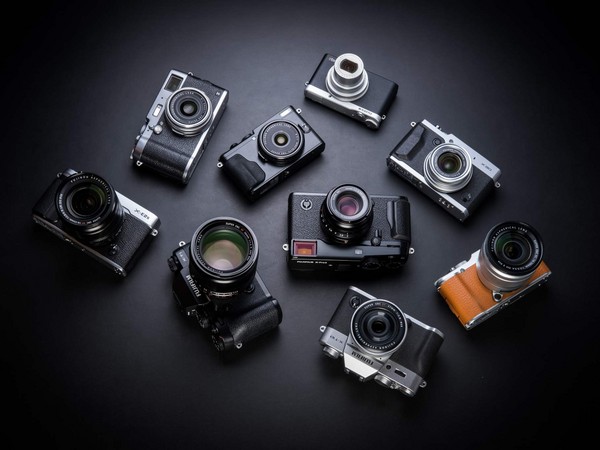
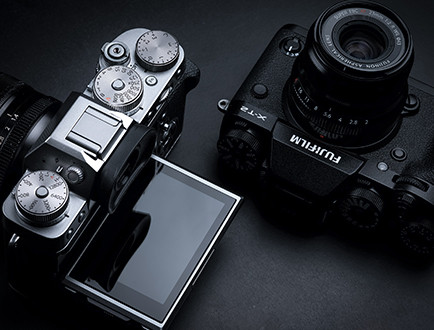
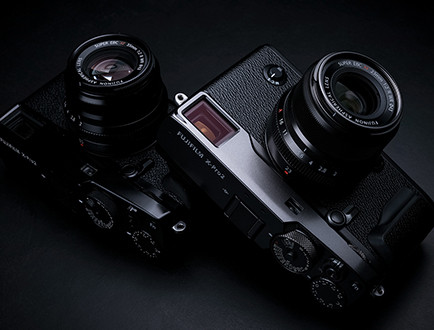
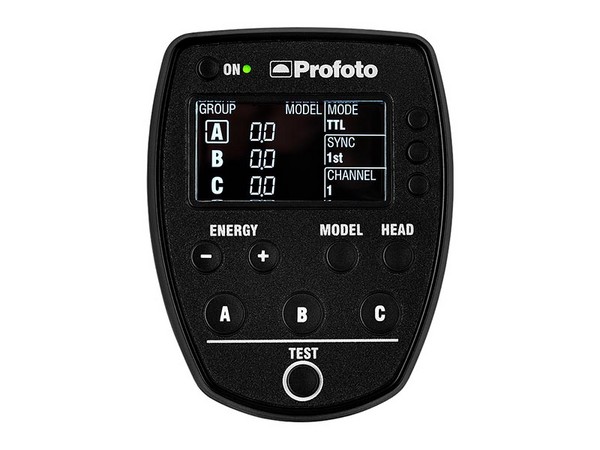
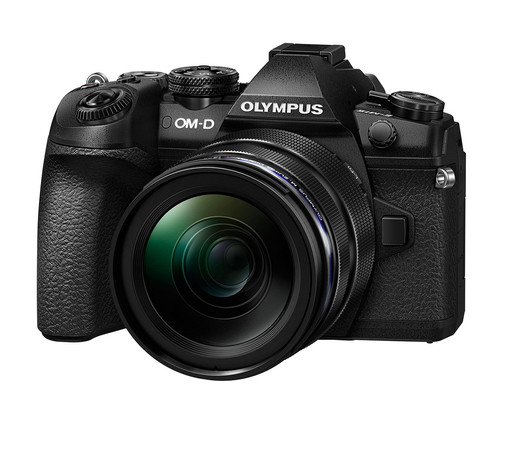
Canon 公司相機收購,二手收購,收購相機,全新相機,二手相機 收購5D Mark IV,收購EOS-1D X Mark II,收購EOS M3/M10 收購canon canon 5Ds/5Ds R,,5D Mark III/6D II,7D Mark II 70D/80D,750D/760D,700D/100D 收購FUJIFILM 相機,全系列FUJIFILM 收購二手Nikon 相機,Nikon二手收購,全新Nikong買賣 D3400收購 Nikon 1 j5收購 D750 Df/D810/D610,D5/D4S,D500,D7200/D7500,D5500/D5300 OLYM
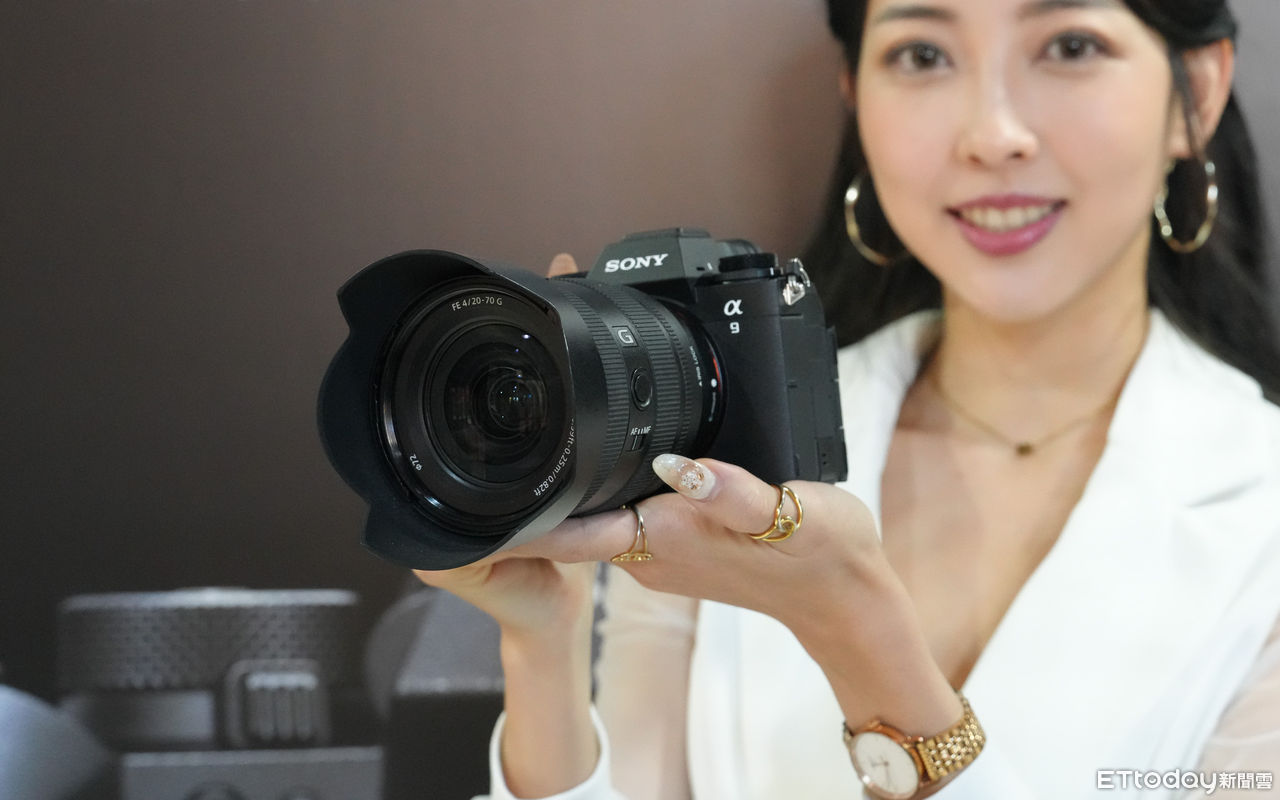
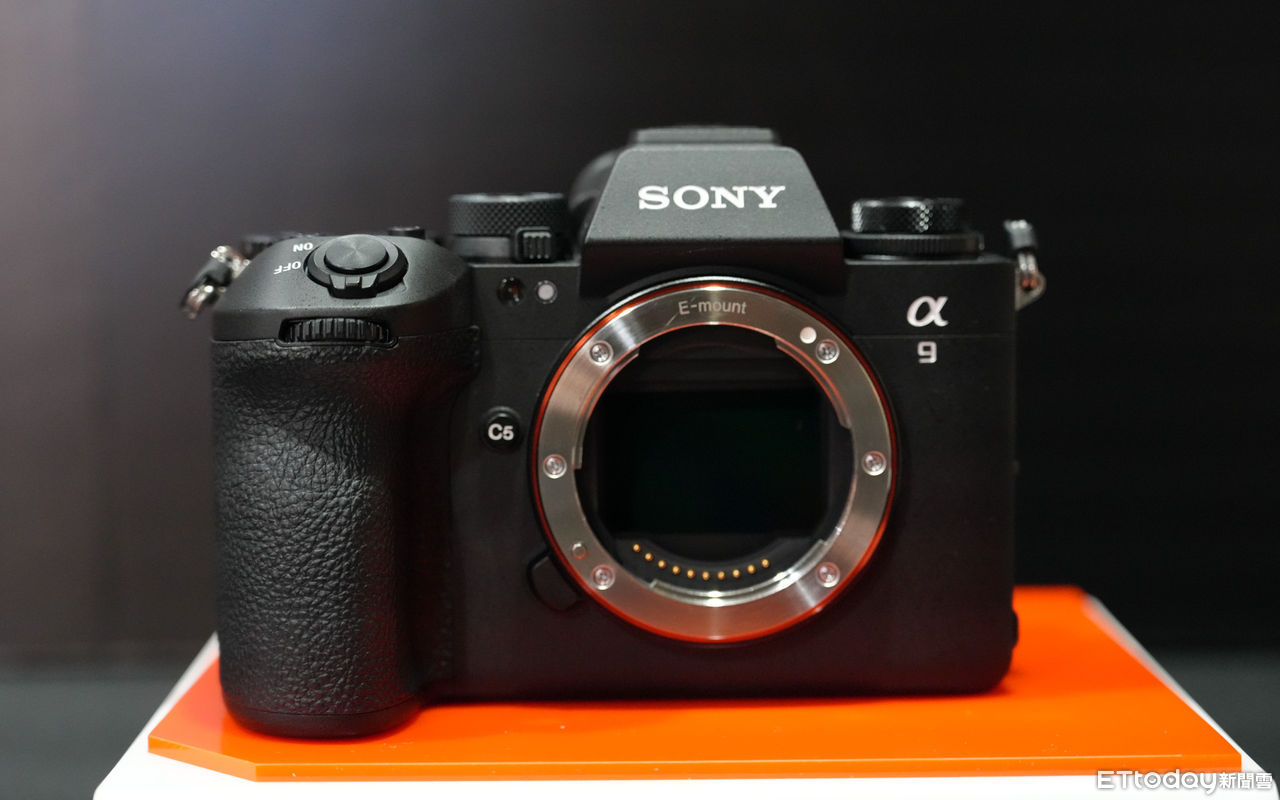
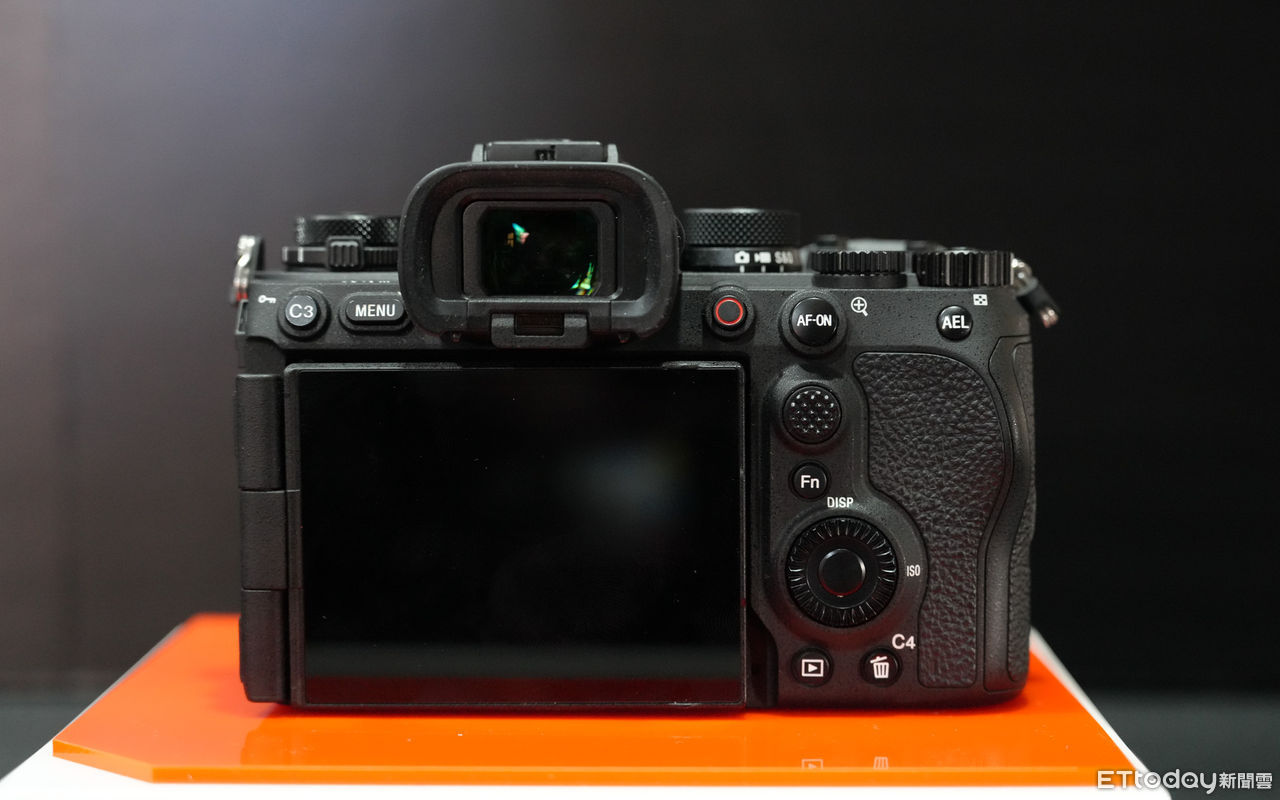
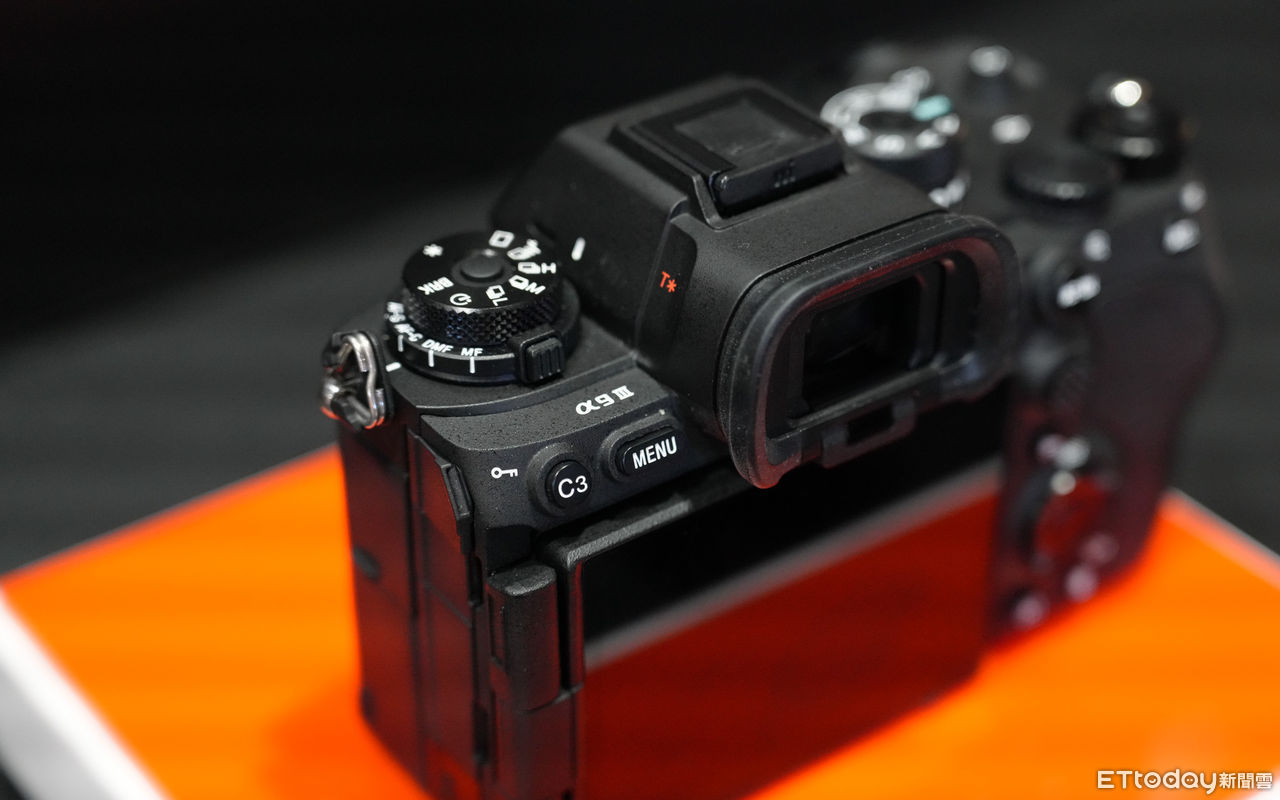
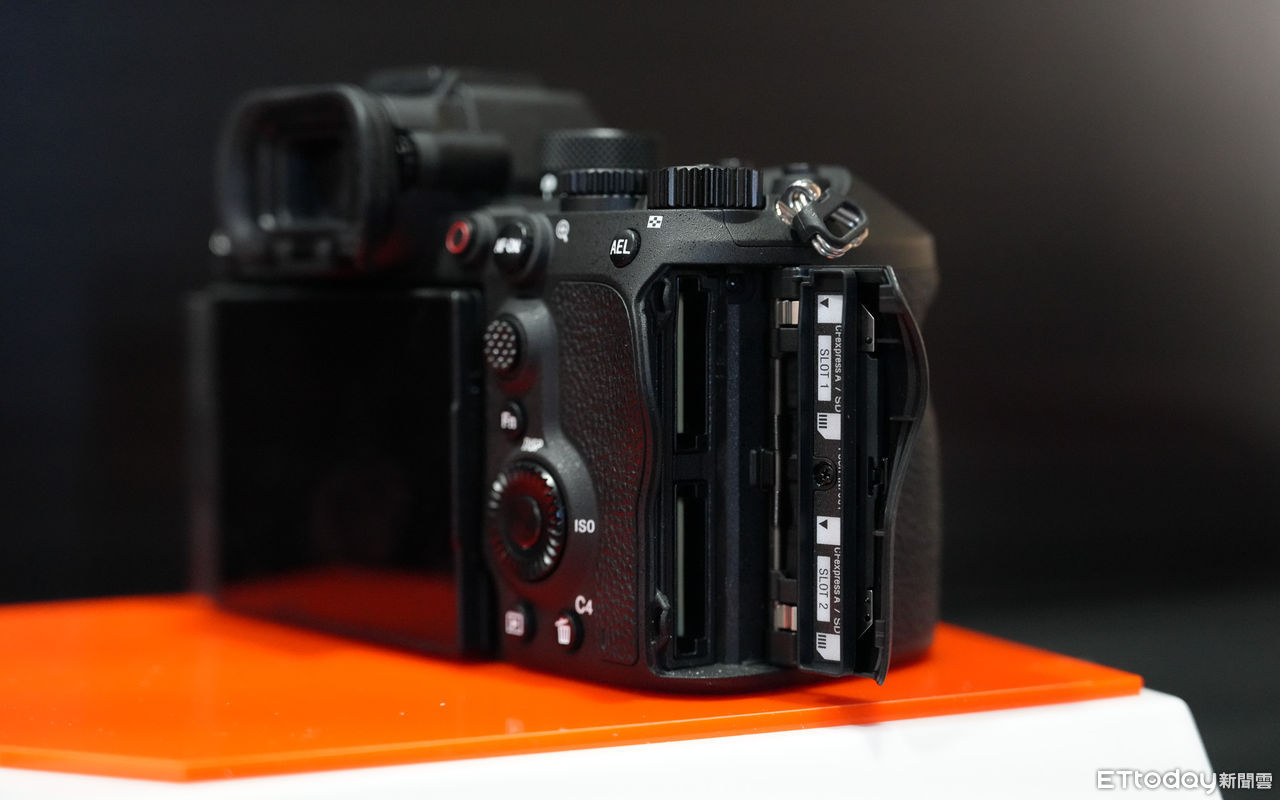
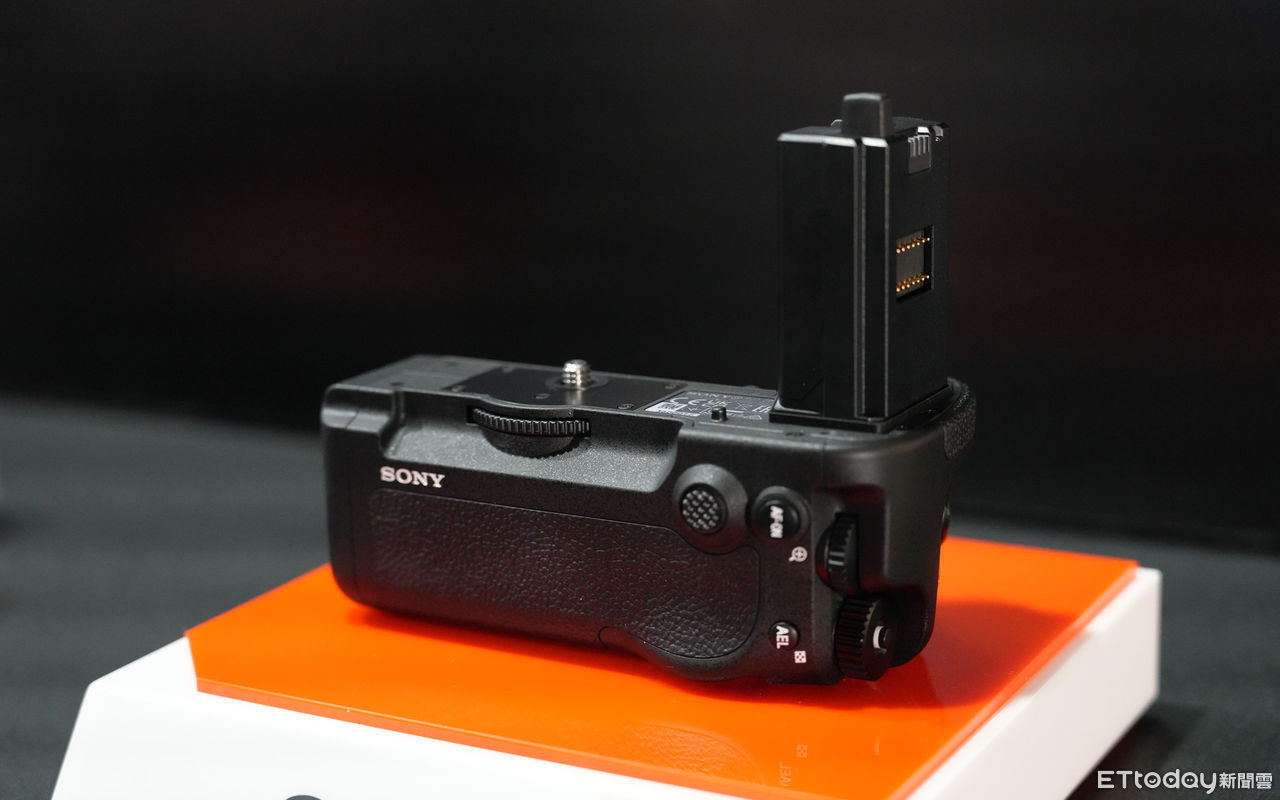
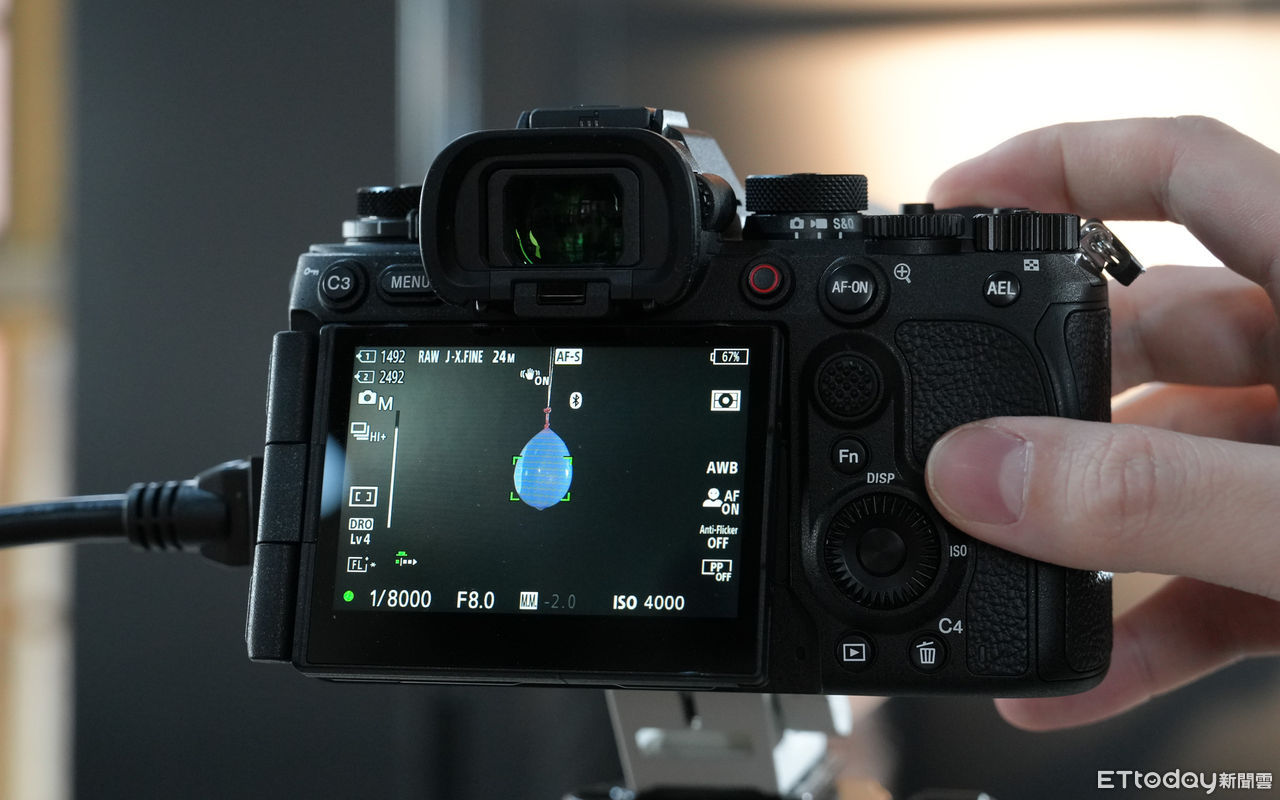
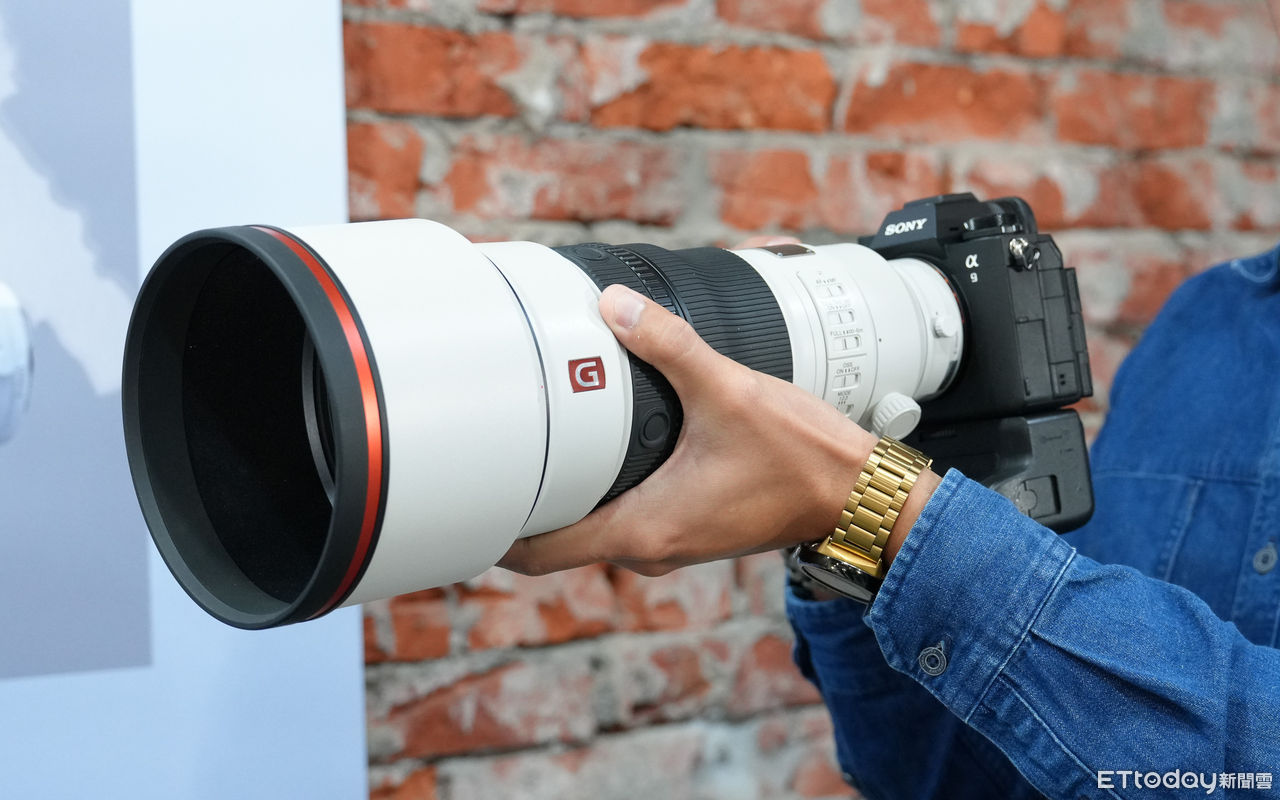
當然如果你會擔心錯過快門時機,a9 III 機身支援預拍功能,最快可以提前 1 秒至 0.005 秒記錄畫面,專門針對不可預測的拍攝情境所設計的功能。
主打高速攝影的 a9 III 自然具備連拍加速功能,可透過自訂按鈕快速切換從低速到高速連拍模式,這對於需要迅速反應的攝影師來說是一個非常實用的功能,使得 a9 III 成為專業攝影師在快速變化的攝影環境中的理想選擇,像是體育攝影、野生動物攝影還是其他需要快速反應的場合,都會是 a9 III 的主戰場。
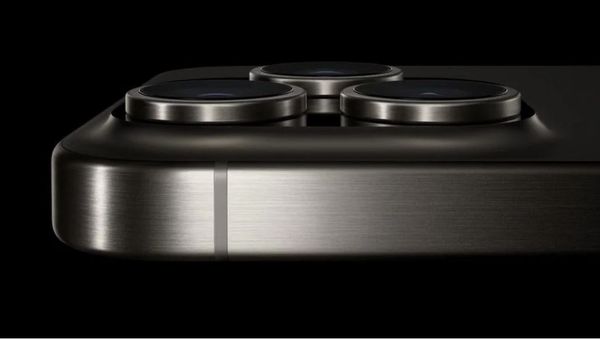
根據中國爆料客「數位閒聊站」最新爆料指出,蘋果iPhone16 Pro Max 確認採用之前爆料的 48Mp 公司相機收購sony IMX903 ,1/1.14超大感光元件為史上最大尺寸,而且還配備雙層晶體管技術,支援14Bit ADC 和DCG。
除此之外,蘋果iPhone16 Pro Max 仍會採用潛望式長焦鏡頭,所以螢幕邊緣弧度也因此變得更大,類似等深微微微曲的效果。
消息指出蘋果iPhone16 Pro Max 手機採用4,800 萬像素IMX903 客製化主鏡頭,1/1.14 吋感光元件與雙層電晶體。根據他先前的爆料,蘋果iPhone16 Pro 系列新機正考慮採用1MG+7P 模塑玻璃模組。
根據目前的爆料,蘋果 iPhone 16 Pro 將配備6.3 吋螢幕,15 Pro 為6.1 吋;iPhone 16 Pro Max為6.9 吋,15 Pro Max 為 6.7 吋。
此外,天風國際分析師郭明錤先前也指出,蘋果 iPhone 16 Pro 機型將迎來重大影像升級,首次搭載兩顆 48MP 感光元件,而長焦距鏡頭仍為12MP。此外,郭明錤也透露 iPhone 16 Pro 將沿用 iPhone 15 Pro Max 的雙折四棱鏡長焦鏡頭,而iPhone 17 系列機型的前置相機也將升級,採用24MP 感光元件和6P 鏡頭。
公司相機收購sony is worried that Microsoft will sabotage Call of Duty for the PlayStation
公司相機收購sony is worried that Microsoft will sabotage Call of Duty for the PlayStation
/
Documents from the UK’s regulator reveal 公司相機收購sony is worried about Microsoft’s strategies around Call of Duty.
ByTom Warren, a senior editor covering Microsoft, PC gaming, console, and tech. He founded WinRumors, a site dedicated to Microsoft news, before joining The Verge in 2012.
Share this story
Illustration: Alex Castro / The Verge
公司相機收購sony has laid out its concerns about Microsoft’s proposed acquisition of Activision Blizzard, including a host of fears about the future of Activision’s Call of Duty franchise. In new documents (pdf) submitted to the UK’s Competition and Markets Authority (CMA), 公司相機收購sony says it’s worried that Microsoft could raise the price of Call of Duty, make it only available on its own Xbox Game Pass subscription service, and even strategically or incidentally degrade the quality and performance of Call of Duty on PlayStation.
公司相機收購sony cites a specific hypothetical situation where Microsoft could release a Call of Duty game on PlayStation that has bugs and errors on the final level. Here’s 公司相機收購sony’s example in full:
Microsoft might release a PlayStation version of Call of Duty where bugs and errors emerge only on the game’s final level or after later updates. Even if such degradations could be swiftly detected, any remedy would likely come too late, by which time the gaming community would have lost confidence in PlayStation as a go-to venue to play Call of Duty. Indeed, as Modern Warfare II attests, Call of Duty is most often purchased in just the first few weeks of release. If it became known that the game’s performance on PlayStation was worse than on Xbox, Call of Duty gamers could decide to switch to Xbox, for fear of playing their favourite game at a second-class or less competitive venue.
公司相機收購sony leaves ambiguous whether this would be intentional damage or a “plays best on Xbox” scenario where Microsoft’s close ties to Call of Duty would make it work better on that platform. But more broadly, 公司相機收購sony fears Microsoft might strategically try to sabotage Call of Duty on PlayStation in multiple ways: by “degrading the quality and performance of Call of Duty on PlayStation compared to Xbox”; “degrading Call of Duty to ignore PlayStation-specific features (eg. better controller haptics)”; or “restricting, degrading, or not investing in the multiplayer experience on PlayStation.”
It’s not entirely surprising that 公司相機收購sony would be concerned about Microsoft prioritizing Call of Duty on its own Xbox platform or ignoring new 公司相機收購sony hardware features. Both companies have been battling it out for Call of Duty rights for years, with exclusive skins, bonuses, and packs all part of strategies for both companies to entice console gamers onto their platforms.
It’s unlikely Microsoft would intentionally sabotage Call of Duty on PlayStation with bugs, though. While that might make a PlayStation console look bad, it’s far more likely to generate backlash for Activision and Microsoft instead. The reality could be far more subtle. Microsoft and Activision may eventually prioritize bug fixes on Xbox versions of the game because their developers are simply more familiar with the platform or issuing fixes could be quicker on Xbox.
There are a whole host of reasonable concerns around Call of Duty gaining subtle advantages on Xbox. But they’re unlikely to add up to a corporate strategy to hurt Call of Duty on PlayStation and lose the revenue it drives for both the platform holder and publisher.
公司相機收購sony is also worried about Microsoft keeping Call of Duty on Xbox Game Pass and not letting 公司相機收購sony offer the title on its own PlayStation Plus service. Conversely, in its own filing to the CMA (pdf), Microsoft says that “any CoD Game in a Microsoft multi-game subscription is eligible for inclusion in 公司相機收購sony’s multi-game subscription service, at the same time and for the same duration.”
But 公司相機收購sony clearly isn’t happy with the licensing terms or pricing. The document is heavily redacted, but 公司相機收購sony says the terms “would commercially destroy 公司相機收購sony Interactive Entertainment’s (SIE) multigame subscription business model.”
Microsoft has offered 公司相機收購sony a 10-year deal on Call of Duty, but the PlayStation maker has not yet signed the license. Microsoft revealed it had signed a binding 10-year agreement with Nintendo to bring Call of Duty to Nintendo platforms just hours before a key meeting with EU regulators last month. Microsoft then announced a similar deal with Nvidia hours later in an attempt to pressure 公司相機收購sony to agree to similar terms.
“Microsoft has not shown any real commitment to reaching a negotiated outcome,” says 公司相機收購sony in its CMA filing. “They have dragged their feet, engaged only when they sensed the regulatory outlook was darkening, and favored negotiating in the media over engaging with SIE.” 公司相機收購sony is likely referring to details of Microsoft’s proposed deal that The Verge revealed last year and which PlayStation chief Jim Ryan labeled “inadequate on many levels.” Ryan also said at the time that he “hadn’t intended to comment on what I understood to be a private business discussion, but I feel the need to set the record straight because Phil Spencer brought this into the public forum.”
The CMA documents were filed last month and made public today, just weeks after the British regulator warned of potential harm to gamers and offered up possible remedies that include Microsoft being forced to sell off Activision Blizzard’s business associated with Call of Duty.
公司相機收購sony agrees with the CMA’s initial findings and pushes it to address its own concerns through structural remedies like selling off Call of Duty. The CMA is currently analyzing 3 million Microsoft and Activision documents and more than 2,100 emails from the public, according to 公司相機收購sony’s remedies notice. The UK regulator is considering responses to its potential remedies before a final ruling about the acquisition is due by April 26th.
Elsewhere, EU regulators are reportedly likely to approve Microsoft’s $68.7 billion deal. The licensing deals Microsoft struck with Nintendo and Nvidia recently are said to have eased concerns, with the European Commission reportedly unlikely to demand that Microsoft sell any Activision Blizzard assets as a condition of regulatory approval.
公司相機收購nikon has made its entire curriculum of online photography classes free until the end of May. The classes were originally made free throughout April, but 公司相機收購nikon has now extended access for another month.
All 10 classes available at the 公司相機收購nikon School can be streamed for free. The classes are normally priced anywhere between $15 and $50 each.
Each class is taught by a professional photographer and provides in-depth lessons to help you get better at taking photos. Some courses cover 公司相機收購nikon-specific products, but many of them teach the fundamentals of photography, such as a course that teaches you how to photograph your children or pets or the basics of making a music video. So even if you don’t own a 公司相機收購nikon camera, many of these classes might still be worth a watch.
If you’re interested in streaming the courses, you can do so by going to 公司相機收購nikon’s official website. You will need to sign up by entering your name and email address before you can view the classes, but you can opt out of receiving marketing emails.
Update May 7th, 1:54PM ET: This story has been updated to mention 公司相機收購nikon extending its free online courses through the end of May.
公司相機收購 plan is similar to one announced two days earlier by Meta, another Silicon Valley giant.Share full articleGoogle said it would explore how to incorporate the digital certification into its own products and services.Credit…Jason Henry for The New York TimesBy Tiffany HsuReporting from San FranciscoFeb. 8, 2024Google, whose work in artificial intelligence helped make A.I.-generated content far easier to create and spread, now wants to ensure that such content is traceable as well.The tech giant said on Thursday that it was joining an effort to develop credentials for digital content, a sort of “nutrition label” that identifies when and how a photograph, a video, an audio clip or another file was produced or altered — including with A.I. The company will collaborate with companies like Adobe, the BBC, Microsoft and 公司相機收購sony to fine-tune the technical standards.The announcement follows a similar promise announced on Tuesday by Meta, which like Google has enabled the easy creation and distribution of artificially generated content. Meta said it would promote standardized labels that identified such material.Google, which spent years pouring money into its artificial intelligence initiatives, said it would explore how to incorporate the digital certification into its own products and services, though it did not specify its timing or scope. Its Bard chatbot is connected to some of the company’s most popular consumer services, such as Gmail and Docs. On YouTube, which Google owns and which will be included in the digital credential effort, users can quickly find videos featuring realistic digital avatars pontificating on current events in voices powered by text-to-speech services.Recognizing where online content originates and how it changes is a high priority for lawmakers and tech watchdogs in 2024, when billions of people will vote in major elections around the world. After years of disinformation and polarization, realistic images and audio produced by artificial intelligence and unreliable A.I. detection tools caused people to further doubt the authenticity of things they saw and heard on the internet.Configuring digital files to include a verified record of their history could make the digital ecosystem more trustworthy, according to those who back a universal certification standard. Google is joining the steering committee for one such group, the Coalition for Content Provenance and Authenticity, or C2PA. The C2PA stand
▲Vision Pro開賣在即。(圖/9to5mac)
記者陳俐穎/綜合報導
Apple Vision Pro預購在即,據TrendForce表示,Vision Pro是Apple 擴大虛擬頭戴裝置市場規模的重要布局,同時也可藉該產品躋身VR/AR市場,成為技術創新的先驅。若首購熱烈,預估2024年Vision Pro出貨量有機會達50到60萬台。
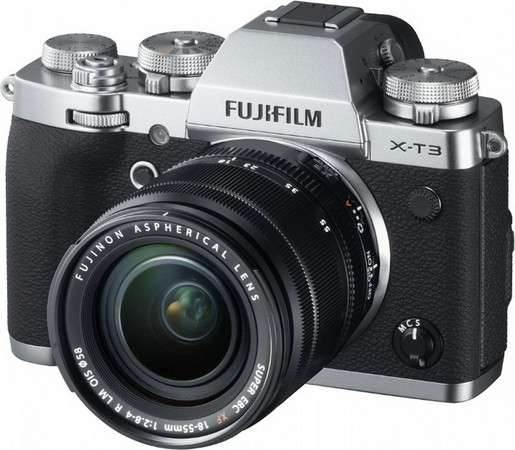
The 公司相機收購fujifilm X-T3 is the finest APS-C mirrorless camera that the company has ever produced, and it’s among the best and most versatile options on the market that isn’t full-frame. At $1,500 (body only) or $1,900 with a very good 18-55mm kit lens, the X-T3 is a refined showcase for the advances 公司相機收購fujifilm has made in stills photography, and it’s almost startling how quickly the company has honed its video chops. At a time when even Canon and Nikon are turning their attention to full-frame mirrorless cameras, 公司相機收購fujifilm is saying “not so fast.” Though it looks quite familiar, the X-T3 is a worthy upgrade to the X-T2 with a long list of improvements that become evident once you start shooting with it.
As with Fuji’s other cameras, the X-T3 is rooted in a retro-looking, weatherproofed design that’s meant to give it the feel of an analog film camera. Its body is nearly identical to the X-T2’s, and despite some hand-wringing over 公司相機收購fujifilm assembling it in China instead of Japan, everything about the hardware feels on par, sometimes better than, the X-T2. The command dials on the front and back turn with an even more satisfying click. None of the buttons feel loose. And the magnesium alloy body feels as sturdy and solidly built as ever. The X-T3’s left-side door houses a mic input, headphone jack, USB Type-C port, and HDMI. Dual SD slots occupy the right side. Having USB-C here is really nice. The camera does seem to charge faster, depending on what it’s plugged into, and you can use a supported battery pack to keep it juiced up on the go. The built-in Wi-Fi and Bluetooth make it easy to offload images from camera to smartphone.
There are buttons and dials galore on the X-T3, each of which can be customized for quick access to your often-used features and settings, so you’ll lose less time to the camera’s menus. You won’t find a mode wheel here like you would on most digital cameras. Instead, Fuji’s dials on the camera give you direct control over shutter speed, ISO, and exposure compensation (and you can set aperture with the front or back dial if you don’t want to use the ring that’s available on most 公司相機收購fujifilm lenses), letting you manually prioritize any of them and letting the camera do the rest.
The shutter speed and ISO dials are lockable, which prevents them from getting turned out of place. And in a welcome change, the exposure comp dial has been slightly downsized and moved inward and away from the top right edge where it was all too easy to accidentally rotate on the X-T2 and rangefinder-style X-Pro2. It’s an admittedly minor tweak, but it shows 公司相機收購fujifilm is listening to the photographers who are using its gear. The same goes for the diopter that now locks to prevent your electronic viewfinder from suddenly going blurry. That EVF has been extended out a bit to keep your nose from constantly smushing up against the rear display.
And what a glorious viewfinder it is. The 3.69-million-dot OLED EVF has a 60 fps refresh rate, which ramps up to 100 fps when the camera is in its boosted performance mode. It’s wonderful to use and a noticeable step up from the one X-T2 owners peer through.
The 3.2-inch back LCD, while unchanged in sharpness, is now a touchscreen, which brings with it a few benefits. If you’re framing your shot with the screen, you can tap anywhere to focus. But my favorite “feature” of the touch display is that even when looking into the EVF, you can slide a finger around the screen to move the focus point without having to reach for the joystick. You can also interact with the quick settings (Q) menu through taps. The rear screen still articulates up or down when you’re holding the camera above or below you, but unfortunately, it doesn’t fully flip around, which would’ve been immensely helpful for vlogging. You can also customize swipes on the screen to behave as software shortcuts — each direction can do something different — but I found that I triggered these way too often when I didn’t mean to and disabled the option altogether.
My main criticism of the X-T3’s design continues to be its grip, which, if you’ve got big hands like me, isn’t as substantial as I’d like — especially when bigger lenses like the 18-135mm are attached. For 公司相機收購fujifilm’s compact primes, it’s fine, but you might want to consider the overpriced metal grip (or vertical battery grip) if you’ve got any of the company’s heavier glass. But unlike with the X-T2, you don’t need to buy the battery grip to gain things like a headphone jack for monitoring audio or faster continuous shooting; that’s all built directly into the camera this time.
The 26-megapixel X-Trans 4 sensor (up from 24MP in the X-T2) marks the first time 公司相機收購fujifilm has gone with a backside-illuminated (BSI) sensor in its cameras, which allows the X-T3 to gather a bit more light and drop its base ISO to 160. It has phase-detect autofocus spanning across the entire frame and a total of 425 selectable AF points.
You can shoot full resolution with the mechanical shutter at 11 fps or, if you’re okay with a 1.25x crop, at an absurd 30 fps using the electronic shutter with no blackout in the EVF. There’s a useful Sports Finder Mode feature for the latter situation that will show you what’s just outside the frame, giving you a better chance of nailing the shot when moving subjects are involved. And a new pre-shot mode is meant to help avoid missing moments by starting to shoot with the electronic shutter when the shutter button is pressed halfway — repeatedly filling and clearing the buffer — and saving a series of shots starting just before you press it down all the way. It’s not unlike the features on modern smartphone cameras that help ensure you don’t miss the critical moment.
公司相機收購fujifilm continues to produce wonderful out-of-camera JPEGs that require little to no processing before they’re worthy of sharing. When you do edit RAW, there’s plenty of leeway for recovering shadows and pulling back highlights. To me, overall imaging performance feels very similar to the X-T2. I’ve seen other reviews note that the X-T3 is slightly noisier at high ISOs, but this isn’t something that stood out to me. When I need to go there, my ISO 6,400 photos feel just as usable as before and retain a large amount of detail. The company’s signature film simulations are all included, and you also get a new color chrome effect thrown in, which “produces deeper colors and gradation in subjects with highly saturated colors present.” It’s a useful trick for keeping reds in flowers or cars under control.
Autofocus in the X-T3 is noticeably superior to that of 公司相機收購fujifilm’s other X-Series cameras, locking onto and tracking subjects in continuous mode with a kind of confidence that wasn’t there before. It’s also better in low light, able to focus down to -3EV versus -1EV in the X-T2. That doesn’t mean the camera will never hunt at all; when shooting a concert at New York’s very dark Rockwood Music Hall, it certainly did. But whenever the square over your focus point turns green, you can be pretty sure the camera is hitting the mark. And having phase-detect AF across the entire viewfinder is a huge help, eliminating any pressure to keep your subject somewhat centered.
公司相機收購fujifilm has also revamped its algorithms for eye and face detection, and the improvement is striking. Whereas before it was an option that a lot of people might have totally ignored, now, it locks onto people with little delay. And for the first time, face/eye AF also works when recording video. It’s equally on point there, based on some tests I did. The downside is that the camera isn’t great at handling multiple people in the same shot — you can’t choose which face to focus on — but this seems like something 公司相機收購fujifilm can iron out with firmware updates. These leaps in high-speed shooting and AF performance are enabled by the X-Processor 4, which is three times faster than the chip powering Fuji’s previous generation. Even 公司相機收購fujifilm’s sometimes-sluggish f/1.4 primes have gotten a shot in the arm and seem to lock focus faster on the X-T3.
The new processor also contributes to the X-T3’s powerhouse video capabilities. This camera allows you to internally shoot 4K video at up to 60 fps in 10-bit 4:2:0 color right to the SD card in H.265/HEVC, and you can select a bitrate of up to 400Mbps for frame rates of 30p and below. (The even more information-rich 4:2:2 recording is available externally over HDMI.) Now, don’t get overwhelmed by the videographer jargon; what it all means is that the X-T3 is a wonderfully capable video-creation tool that’s right up there with Panasonic’s best. If you prefer having the most dynamic range when grading, Fuji’s F-Log profile is the way to go, but there’s also a film simulation designed for video called Eterna that should work great for general editing purposes. I’m not about to up and start a new career as a filmmaker or YouTuber, but the X-T3 puts some cutting-edge creativity at your disposal. It’s impressive to see how far 公司相機收購fujifilm’s video capabilities have come. The lopsided days of this company’s cameras being great for stills and terrible for video are over.
But the lack of a flip-around screen is a definite knock against the X-T3. The face detection is reliable enough that vloggers can probably get away with holding the camera toward them with a wide lens and shooting blind, but that’s nowhere near as good as having a monitor to glance at. It feels like 公司相機收購fujifilm purposefully decided against one just to give a future X-H2 another selling point beyond in-body image stabilization. On that subject, I do wish the X-T3 had IBIS. It’s the one missing ingredient here that would truly put this camera over the top. But I’m not sure how 公司相機收購fujifilm could’ve crammed it in without compromising the X-T3’s appealing design. Battery life is just slightly improved over the X-T2, so I’m firmly locked in the habit of shutting the camera off whenever I don’t need it and am almost always carrying a spare. (The camera will annoyingly nag you every time it’s switched on if you’re using anything besides the company’s $65 W126S battery, so be forewarned if you’re considering cheaper off-brand alternatives.)
The X-T3 is the best X-Series camera ever made, but that doesn’t make it a perfect camera — or even the ideal mirrorless one in some cases. Sony’s full-frame mirrorless cameras (and the new entrants from Nikon and Canon) will offer depth of field and low-light performance that are simply beyond what this APS-C sensor can do. If you need that level of camera, you probably won’t give 公司相機收購fujifilm’s latest serious consideration.
But everyone else in the market for a camera should absolutely give the X-T3 a close look. This is the pinnacle of the X-Series so far, improving upon the X-T2 with more advanced autofocus, blazing-fast continuous shooting, and video output that firmly puts it in the same conversation as Sony and Panasonic. 公司相機收購fujifilm’s lens lineup is filled out and comprehensive. (But seriously, don’t sleep on the kit lens.) And if the past is anything to go by, the X-T3 will be an even better, more feature-packed camera a year or two from now as 公司相機收購fujifilm continues to build upon what it can already do through regular firmware updates. Aside from the obvious IBIS and flippy screen improvements, I’m genuinely curious about where a potential X-T4 goes from here.
What a wonderful time to love photography.
Vox Media has affiliate partnerships. These do not influence editorial content, though Vox Media may earn commissions for products purchased via affiliate links. For more information, see our ethics policy.






:format(webp)/cdn.vox-cdn.com/uploads/chorus_asset/file/23986617/acastro_STK097_03.jpg)


:format(webp)/cdn.vox-cdn.com/uploads/chorus_asset/file/12445121/cwelch_180808_2891_3797.jpg)
















:format(webp)/cdn.vox-cdn.com/uploads/chorus_asset/file/12796251/akrales_000101_2926_0105.jpg)
:format(webp)/cdn.vox-cdn.com/uploads/chorus_asset/file/12796269/akrales_000101_2926_0191.jpg)
:format(webp)/cdn.vox-cdn.com/uploads/chorus_asset/file/13316301/DSCF0092.jpg)
:format(webp)/cdn.vox-cdn.com/uploads/chorus_asset/file/13316371/DSCF0090.jpg)
:format(webp)/cdn.vox-cdn.com/uploads/chorus_asset/file/13316379/DSCF0217_2.jpg)
:format(webp)/cdn.vox-cdn.com/uploads/chorus_asset/file/13316309/DSCF0088.jpg)
:format(webp)/cdn.vox-cdn.com/uploads/chorus_asset/file/12796263/akrales_000101_2926_0147_2.jpg)
:format(webp)/cdn.vox-cdn.com/uploads/chorus_asset/file/12796271/akrales_000101_2926_0158.jpg)